Technology on International School Tours
The big questions, schools, teachers and parents all encounter, 'Should students bring phones on school trips?' Used intentionally, phones can improve safety, communication and learning. Here’s how to set clear expectations, plus five apps we recommend for international school tours.

Mobile phones might not have a place in every classroom, but they certainly have a place in the modern world. So, what happens when learning moves beyond the classroom and into airports, museums, cultural exchanges, science centres, and destinations on the other side of the globe?
For many schools, technology has become one of the more complex considerations when planning an international tour. On one hand, devices can distract students from immersing themselves in new environments and meaningful learning experiences. Teachers may worry about students spending their free time scrolling social media instead of engaging with local culture, relying too heavily on constant contact with home, or becoming responsible for expensive devices that could be lost or damaged.
These concerns are valid.
At the same time, international travel in 2026 looks very different from travel even a decade ago. Technology is now embedded into many of the destinations, experiences, and systems students encounter while travelling. Used intentionally, it can improve safety, simplify logistics, enhance learning, and help schools communicate more effectively with parents and the broader school community.
The question for schools is no longer whether technology should be present on tour.
The real question is: how can technology be used to enhance the educational experience while minimising its potential downsides?
Should Students Be Allowed Phones on School Trips?
This was a topic of discussion between teachers during our recent teacher preview tour, and it's one question each school needs to ask in their planning process.
Some schools choose to restrict phone use entirely during certain activities. Others encourage students to carry devices throughout the trip. Phones are best thought of as tools: used at the right times, they can be a solution, but at other times they can become a problem.
Just as students are expected to use technology responsibly in their everyday lives, educational travel provides an opportunity to develop responsible digital habits in real-world situations. Students can learn when technology adds value to an experience and when it becomes a distraction from it.
The key is setting clear expectations. Students should understand when devices are appropriate, when they should be put away, and how technology supports the overall purpose of the tour.
How to Find the Right Balance With Technology on School Tours
Technology on school tours comes with both challenges and opportunities.
Digital Distraction
The most obvious concern is that students may become more engaged with their screens than with the destination itself. A student standing in front of a historical landmark while scrolling through social media is missing an opportunity for genuine engagement. Educational travel is at its most powerful when students are present, curious, and actively participating in the experience around them.
Homesickness and Constant Contact
While communication with family can provide reassurance, excessive contact can sometimes make homesickness harder to manage. Experienced tour leaders often observe that students who continually seek reassurance from home may struggle to develop the independence and resilience that educational travel naturally encourages.
Lost, Damaged, or Stolen Devices
International travel introduces additional risks. Busy airports, crowded attractions, and packed itineraries can create plenty of opportunities for devices to be misplaced.
Having clear expectations about device responsibility and travel insurance can help reduce unnecessary stress for both students and staff.
Miscommunication
Messages shared without context can occasionally create confusion for parents or school communities.
A short text home saying "everything got changed today" can cause unnecessary concern if the wider context isn't communicated clearly. Establishing official communication channels helps ensure families receive accurate and timely updates.
How Technology Can Improve Student Safety
While technology often attracts criticism, it can also significantly strengthen safety procedures during educational travel.
Group Communication
Messaging platforms allow teachers to quickly communicate itinerary updates, meeting locations, and important reminders. When travelling through large airports, transport hubs, or busy attractions, the ability to contact students quickly can be invaluable.
Location Awareness
Many destinations involve carefully managed periods of supervised free time. In these situations, location-sharing tools and communication apps can support responsible independence while still maintaining appropriate oversight. Technology should never replace effective supervision, but it can provide an additional layer of visibility and reassurance.
Emergency Communication
In the event of transport disruptions, schedule changes, or unexpected circumstances, mobile devices enable faster communication between staff, students, parents, and travel providers. Having multiple communication options available can improve responsiveness when plans change.
How Technology Can Enhance Learning
Educational travel is ultimately about learning. Increasingly, technology is becoming part of how that learning happens.
Destination-Specific Apps
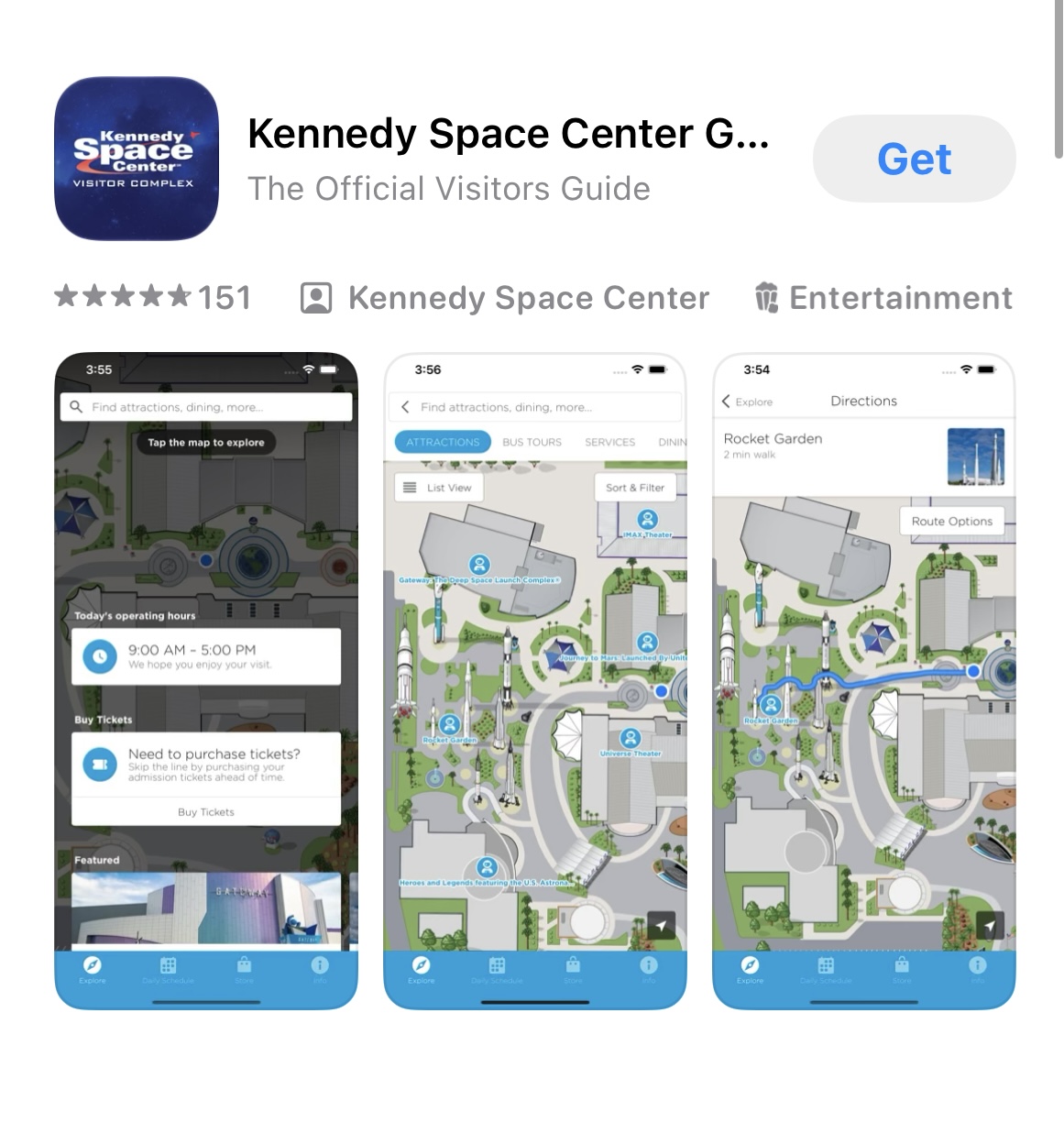
Many educational attractions now offer dedicated mobile apps that enhance the visitor experience. During our recent teacher preview tour to Orlando, the Kennedy Space Center app provided daily schedules, attraction information, and activity details that helped visitors navigate the site and maximise learning opportunities throughout the day. Rather than replacing learning, these tools often help students engage more deeply with it.
Interactive Exhibits and Digital Experiences
Museums, science centres, and cultural institutions increasingly use digital content, augmented reality, and interactive experiences to bring learning to life.
Students can often access additional educational resources through their devices both during and after a visit, extending the learning beyond the physical experience itself.
Translation and Cultural Learning
Language barriers can feel intimidating for some students. Translation apps can help build confidence while travelling and provide opportunities for meaningful interactions that might not otherwise occur. When used appropriately, these tools can support rather than replace genuine cultural engagement.
Reflection and Documentation
Technology also allows students to document their experiences in real time. Digital journals, photography projects, video reflections, and collaborative travel blogs can encourage students to think critically about what they are learning and how their perspectives are evolving throughout the tour.
Keeping Parents Connected During the Journey
One of the most valuable uses of technology on educational tours isn't for students at all. It's for parents.
For many families, sending their child overseas is both exciting and nerve-wracking. Providing regular updates can significantly increase parent confidence and reduce anxiety.
Platforms such as Polarsteps allow schools to create private trip journals where approved family members can follow the group's journey. Teachers can share route updates, photographs, and summaries of activities without needing to manage individual communications with every family.
A well-managed communication strategy helps build trust and ensures parents feel connected to the experience without needing constant direct contact with their child.
Five Apps We Recommend for International School Tours
1. Polarsteps
Polarsteps allows tour leaders to create private trip updates, share photos, document activities, and keep families informed throughout the journey.
It's particularly valuable for parent communication and creating a digital record of the tour experience. You can get students to write the posts for each day and communicate to all the parents following the trip.
You can read more about using Polarsteps in our guide to keeping parents updated during educational trips.
2. Google Translate
Google Translate can be an incredibly useful support tool when travelling internationally.
Features such as camera translation and conversation mode help students navigate unfamiliar environments while building confidence in cross-cultural interactions.
3. WhatsApp
Many international suppliers, accommodation providers, and local operators use WhatsApp as their primary communication tool.
It's also an effective platform for staff communication and providing important updates to travelling groups.
4. My Disney Experience
For groups visiting Walt Disney World, this app has become an essential planning tool.
Maps, wait times, dining information, attraction availability, and itinerary management are all integrated into one platform.
5. Universal Orlando Resort App
Similarly, the Universal Orlando app provides real-time attraction information, interactive navigation, and queue updates that help groups make the most of their day.
For large venues with multiple attractions, this can dramatically improve efficiency and reduce unnecessary waiting time.
Technology Works Best When It's Intentional
The most successful educational tours aren't technology-free.
They're technology-intentional.
When schools establish clear expectations and use digital tools thoughtfully, technology can support safer travel, stronger communication, richer learning experiences, and more confident students.
The goal isn't to eliminate devices. It's to ensure they're serving the educational purpose of the tour rather than competing with it.
Like any resource, technology is most valuable when it's used at the right time, for the right reason, and in support of meaningful learning.
Planning Your Next International School Tour?
At Educating Adventures, we work with schools to design educational travel experiences that combine meaningful learning outcomes with practical tour management. From communication strategies and supervision planning to destination-specific digital tools, we help teachers navigate the realities of running successful international tours.
If you're exploring destinations for your next educational trip, we'd be happy to help you start the conversation. Get in touch here!